FAQs
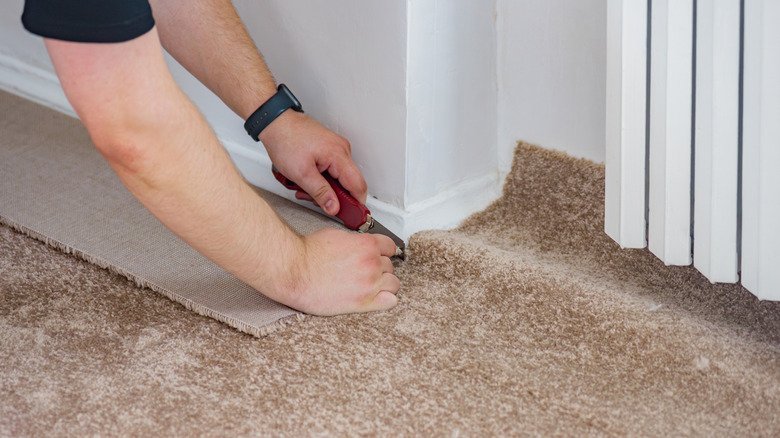
Most residential carpet installations are completed in a single day. Our team handles the removal of old material, furniture moving, and a high-precision stretch installation to prevent future buckling or ripples.
While hardwood is often preferred, modern low-VOC and hypoallergenic carpets can be safe. However, for maximum allergy defense, we recommend our dust-free hardwood or LVP solutions that do not trap pet dander or pollen.
We recommend a high-density moisture-barrier pad. This is essential in the Raritan Valley to prevent subfloor humidity from wicking into your carpet fibers, extending the life of the material.
Yes, we provide full-service installations. We carefully move your furniture and return it to its original place once the project is finished, ensuring a zero-stress experience.
In active households with pets or children, we recommend replacement every 10 to 15 years to maintain hygiene and aesthetic appeal.
FAQs
Yes, provided the wear layer is 3mm or thicker. Quality engineered planks can typically be sanded and refinished one to four times depending on the specific veneer thickness.
Use a pH-neutral cleaner specifically formulated for wood and a barely damp microfiber mop. Avoid vinegar, steam mops, or excessive water, which can damage the adhesive bonds between layers.
Yes. Unlike solid wood, engineered planks with an SPC or rigid core can be safely installed over concrete subfloors and in moisture-prone areas like basements when a proper moisture barrier is used.
Absolutely. The top layer is genuine oak, walnut, or hickory, providing the same rich texture and grain patterns as solid timber without the vulnerability to moisture.
FAQs
Yes, we offer waterproof laminate collections designed for high-moisture areas. These planks feature sealed edges that prevent water from reaching the core.
No. Steam cleaners use high heat and pressurized moisture that can force water into the seams, leading to bubbling and permanent warping.
Look for residue-free, pH-neutral cleaners specifically designed for laminate to prevent the hazy buildup common with generic soaps.
FAQs
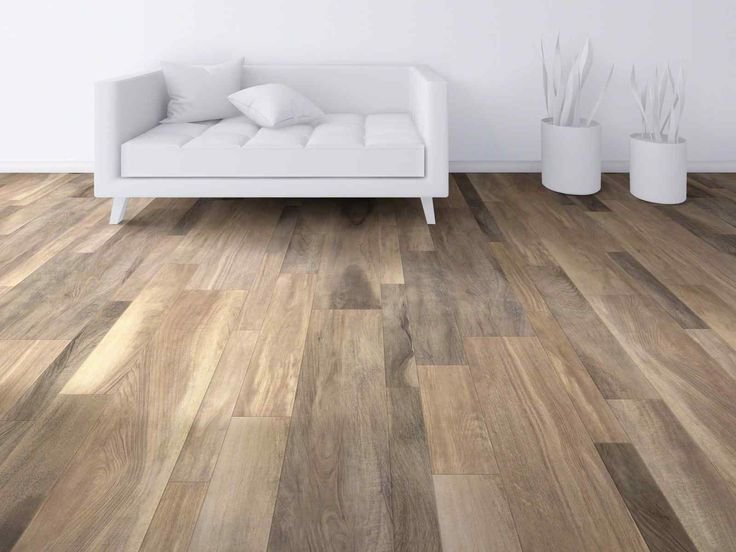
SPC (Stone Plastic Composite) is a rigid, limestone-based core ideal for high-impact durability and NJ basements. WPC (Wood Plastic Composite) features a thicker, softer core that provides more comfort underfoot.
Yes. We recommend a 20-mil commercial-grade wear layer for active homes to provide a suit of armor against pet claws, high heels, and heavy furniture.
In Middlesex County, hard water often leaves white mineral spots on high-gloss LVP. We recommend matte or satin finishes to naturally camouflage these limescale deposits.
Yes, if the surface is stable and level within a 1/8 tolerance. This is classified as Ordinary Maintenance under the NJ UCC and usually does not require a permit.
Quality rigid-core LVP is impervious to water, meaning it will not swell or buckle even if exposed to standing water or seasonal groundwater shifts common in the Raritan Valley.
FAQs
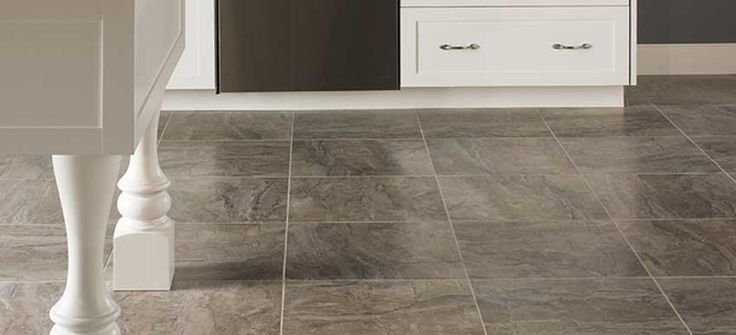
Yes. Advanced printing and Embossed-in-Register technology allow LVT to mimic the look and texture of slate, travertine, and marble with incredible realism.
VCT requires constant stripping and waxing. Upgrading to maintenance-free LVT removes the recurring cost of stripping and waxing from your annual floor care budget.
Our collections are thermally stable between 55° and 85° F, ensuring they remain tight and secure throughout New Jersey’s changing seasons.
Many LVT collections allow for acrylic grout, giving you the authentic look of a traditional tile floor without the porosity issues of cement-based grout.
Yes. Our LVT products meet a minimum Dynamic Coefficient of Friction (DCOF) of 0.42, providing hospital-grade safety in wet interior spaces.
FAQs
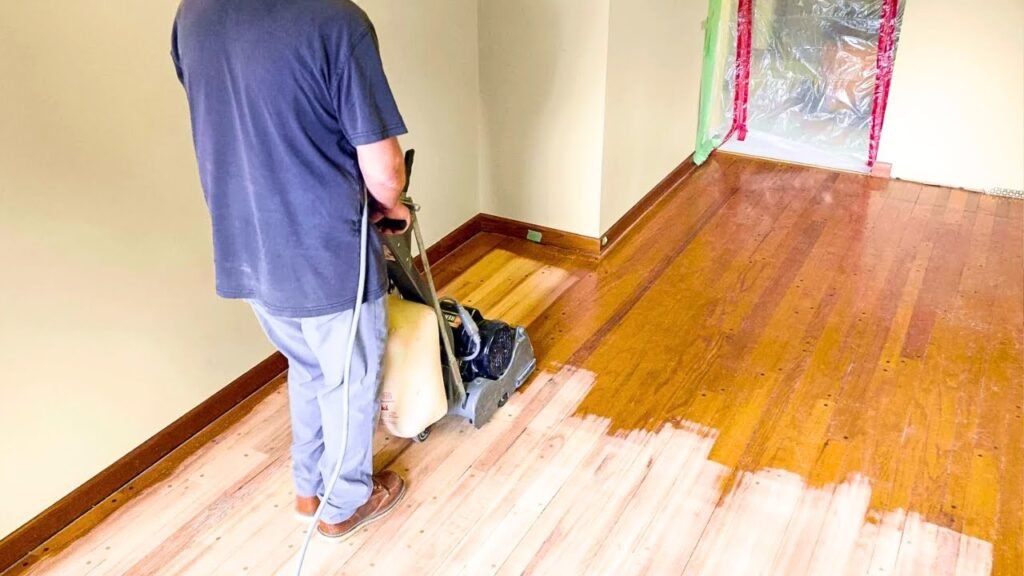
We use HEPA-filtered vacuum systems connected directly to our sanding equipment. This captures dust at the source, protecting your family’s lungs and HVAC system.
Refinishing existing hardwood returns approximately 147% of its cost at resale (National Association of Realtors, Remodeling Impact Report), significantly increasing your home’s equity.
A standard project typically takes 3 to 5 days, depending on the number of finish coats required. Our dustless system saves you additional days of post-job cleanup.
Refinishing usually costs $3 to $8 per square foot, while a full replacement can cost $12 to $20. Unless the wood is severely damaged, refinishing is the smarter financial move.
Yes. Staining allows us to shift your floor from outdated reds to 2026 trends like warm honey, caramel, or natural oak hues.
FAQs
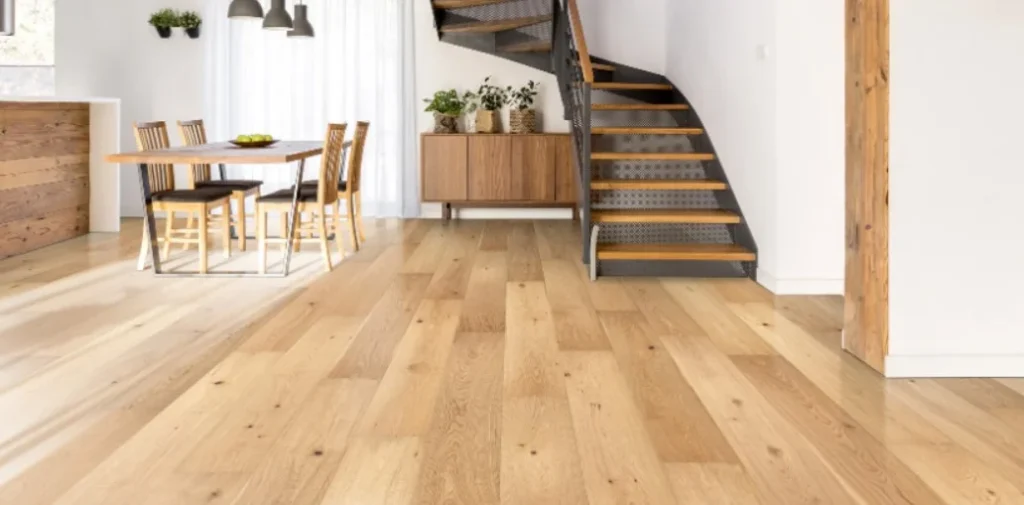
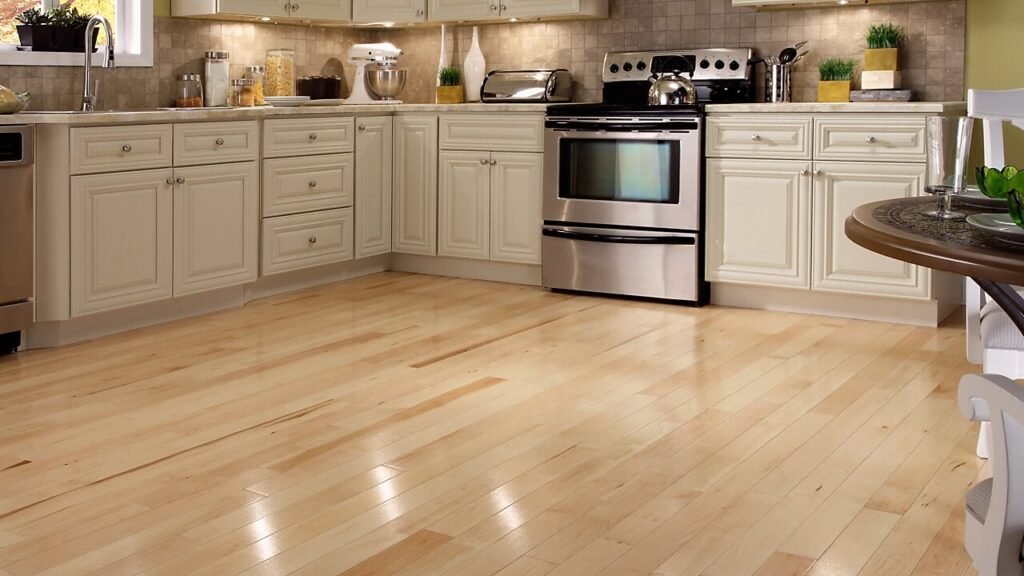
When properly maintained and periodically refinished, solid hardwood can last for 100 years or more.
Solid wood is highly hygroscopic. It expands in humid NJ summers and contracts in dry winters, which can lead to gapping if your home does not have stable climate control.
Because of its 3/4-inch thickness, a solid wood floor can typically be sanded and refinished 4 to 10 times throughout its life.
We recommend a minimum of 5 to 7 days for solid hardwood to adjust to your home’s unique temperature and humidity levels.
Yes. Hardwood floors do not harbor dust mites, pollen, or pet dander, making them a top recommendation for families with respiratory concerns.
FAQs
Porcelain is fired at higher temperatures, making it denser and “impervious” with a water absorption rate of 0.5% or less. Ceramic is more porous and better suited for walls or dry areas.
If you are replacing a shower pan, a UCC plumbing permit and a mandatory 24-hour flood test are legally required by your municipality.
Middlesex water is on the hard side. Dissolved minerals can infiltrate standard grout, leading to permanent scale buildup. We recommend non-porous epoxy grout to solve this challenge.
We exclusively install tiles that meet the ANSI A326.3 safety standard with a DCOF rating of 0.42 or higher to prevent slip-and-fall hazards.
Yes. Tile and porcelain have excellent thermal conductivity, making them the most efficient materials for electric floor-warming systems.
FAQs
We utilize specialized Vertical Furniture Lift technology to raise occupied cubicles 5mm, enough to swap flooring underneath without disconnecting IT equipment or power lines.
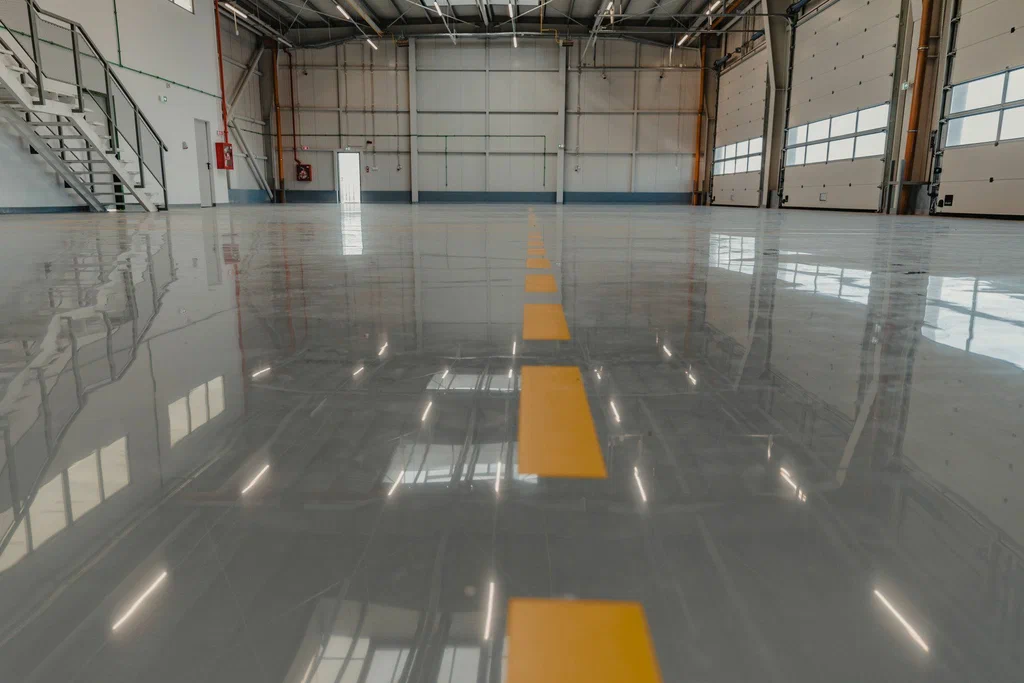
To withstand heavy forklift traffic, industrial slabs should be rated at a minimum of 4,000 PSI to prevent concrete dusting and structural cracking.
Yes. All flooring in NJ commercial corridors and exits must meet ASTM E648 Class I or II fire ratings to protect occupants and ensure legal compliance.